

Hackney Community Law Centre has celebrated its 50th anniversary, with speakers praising its record of landmark legal victories while warning of the pressures now facing the sector.
Founded in 1976, the centre in Lower Clapton Road has spent five decades giving free legal help to Hackney residents on housing, welfare benefits, immigration and education.
Former staff, lawyers, trustees and supporters gathered for the anniversary event earlier this year.
‘Biggest repeat player’
Julie Bishop, director of the Law Centres Network, told the audience that the centre had grown out of “a time of reinvention”.
She recalled a Hackney “full of squats” that was still rebuilding after the war.
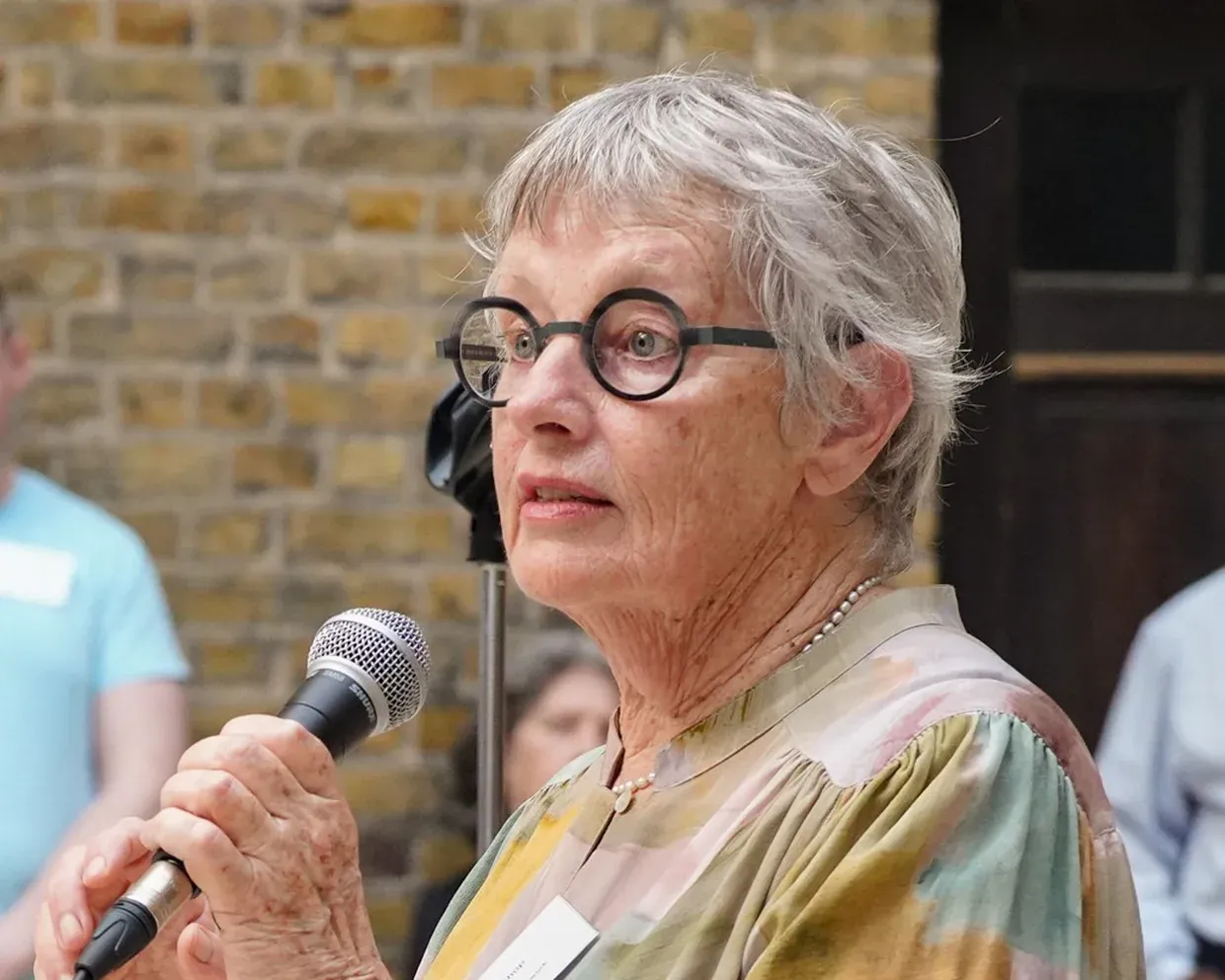
Bishop cited research by Oxford University and the British Library which counted 387 reported appellate cases involving law centres over their history.
Those cases reached courts including the Supreme Court and the European Court of Human Rights.
Hackney’s centre was “the biggest repeat player”, she said, with more reported appellate cases than any other law centre in the country.
Bishop added that separate research using a local authority’s own data had found that law centres “lift people from below the poverty line”.
Frozen since 1996
Liz Davies, a barrister at Garden Court Chambers and a longstanding Hackney resident, said: “It’s hard to overstate how significant it is that the law centre has survived.”
She pointed out that other law centres have been forced to close.
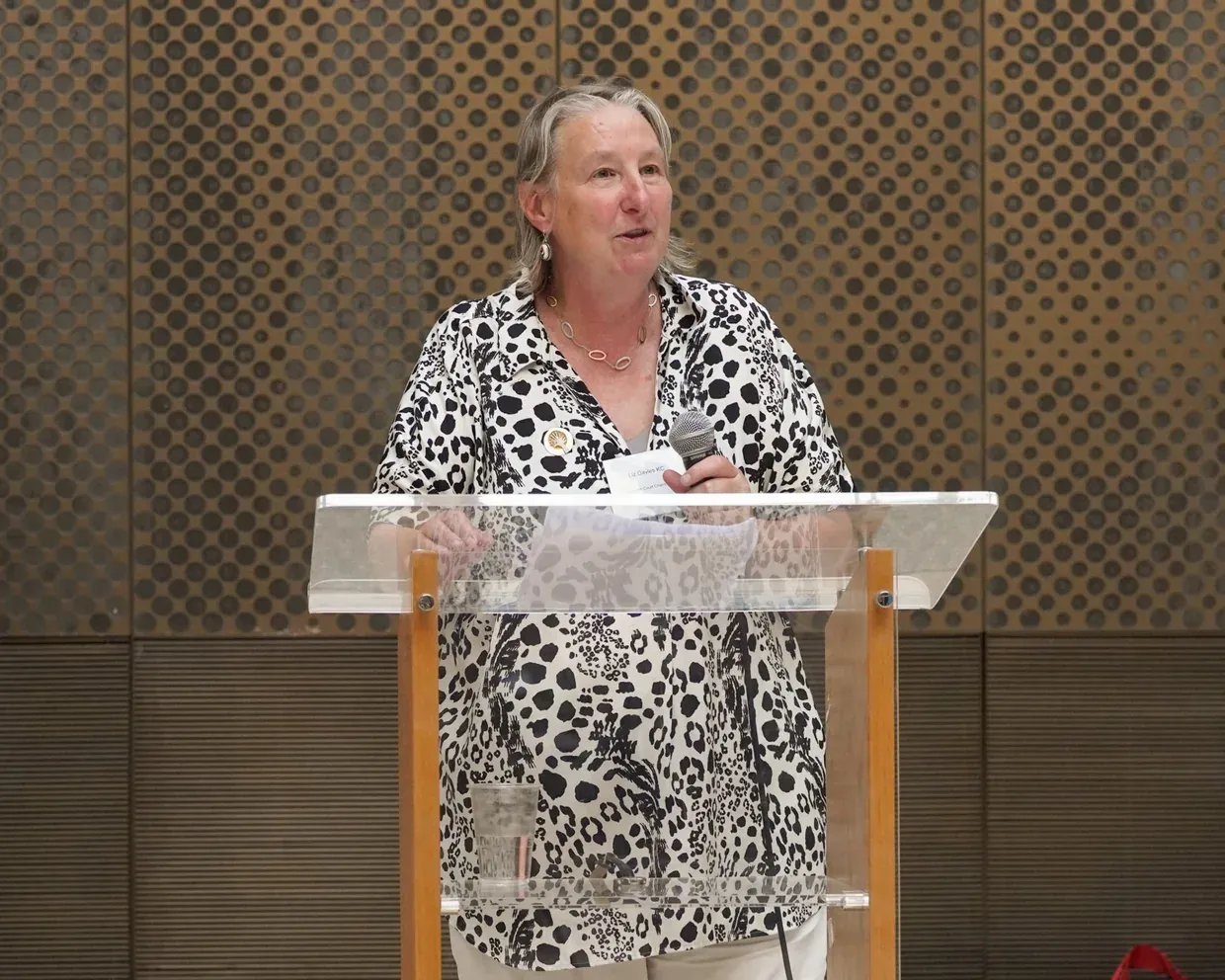
Davies said funding pressures have been a constant since the 1970s. Legal aid suffered “immense cuts” to its scope in 2012 under the coalition government, and rates have not risen since 1996.
“I cannot think of any other job or contract where somebody expects to be paid the same amount as they were paid in 1996,” she said.
Landmark cases
Davies ran through some of the centre’s best-known cases.
In the 1980s, it won a sex discrimination case for a woman sacked from her travel agency job after she married. Her husband, who worked for a rival agency, kept his job.
In 1989, a judicial review brought by the centre forced Hackney Council to reopen its homelessness service, which it had shut for several months.
In 2015, the centre represented a pregnant woman in the Supreme Court case of Haley v Waltham Forest. She had been ruled intentionally homeless after leaving a hostel, and the court overturned that decision. Davies called it “a sensible and humane approach … to a very difficult and punitive legal case”.
In 2017, the centre overturned a Department for Work and Pensions decision that a man whose legs had been amputated was not disabled because he could climb stairs using his arms.
But Davies said the centre’s everyday casework mattered just as much. That means getting families rehoused, persuading the Home Office to grant leave to remain and getting excluded children back into school.
“Those aren’t headline-grabbing cases,” she said. “But it’s absolutely what community lawyers do, and it’s what makes a difference to the lives of Hackney residents. Indeed, it’s why law centres exist.”
‘Hostile environment’
Pierre Makhlouf joined the centre in 1995 as its anti-deportation campaigner and is now legal director at Bail for Immigration Detainees.
He recalled the Ogunwobi family’s campaign, which he described as the longest sanctuary in the UK. The family lived in Hackney Downs Baptist Church for three years, and children were born there. The campaign drew support from Jesse Jackson and Desmond Tutu, and the family eventually won the right to remain.
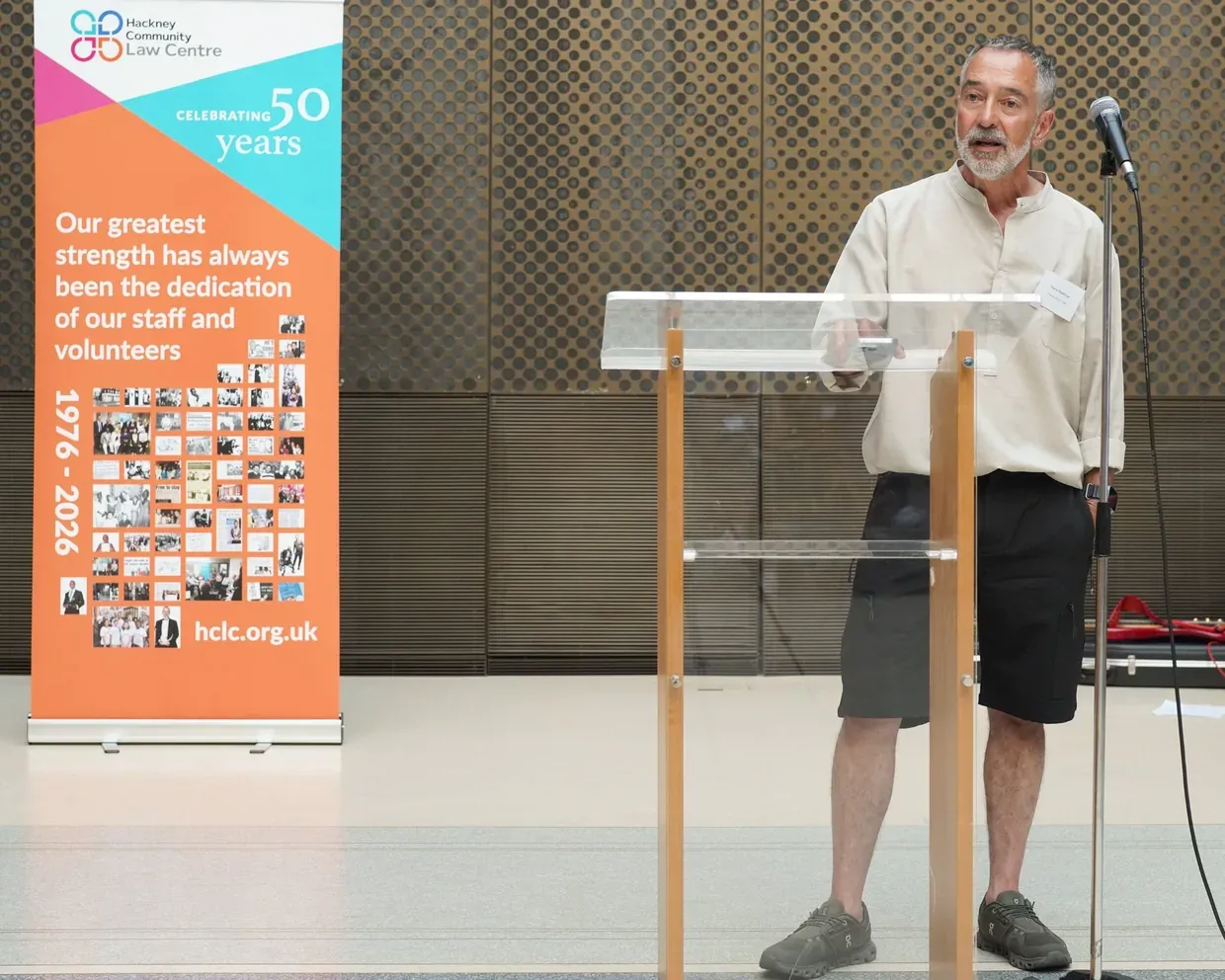
Makhlouf said the climate for migrants today is “extremely difficult and very, very different”.
Davies said that “under pressure from Reform, we see truly draconian attacks on migrants”.
Sean Canning, who has managed the centre for 14 years, told the Citizen: “Clients still face challenges arising from an ongoing hostile environment. The government’s current attempts to increase restrictions on ILR [indefinite leave to remain] should be seen against this background.”
Canning said the centre went through a financial crisis 16 years ago. It recovered “due to the introduction of an improved financial system and the introduction of a manager”, he said.
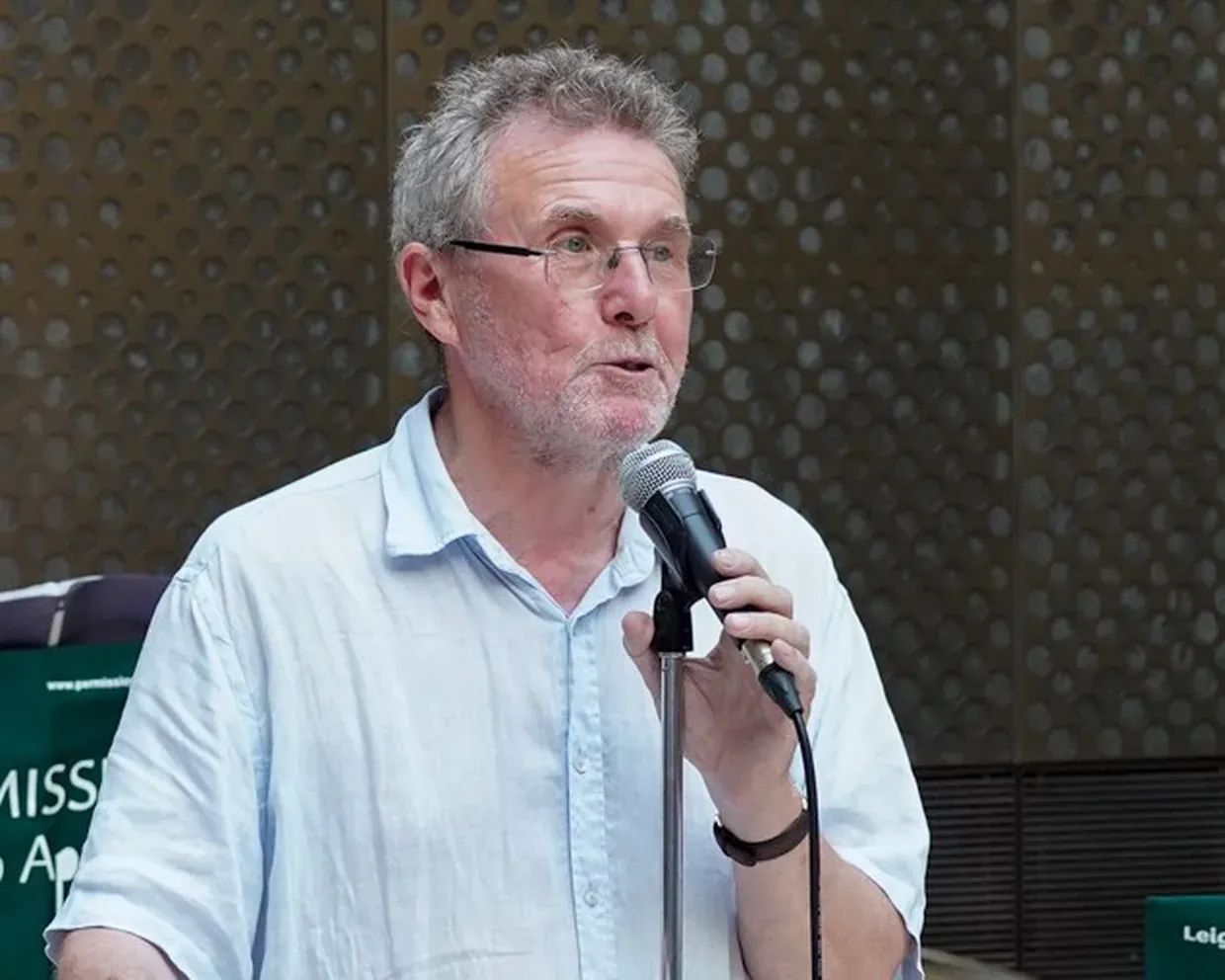
He added that payment of fees through the legal aid system “has been problematical for a number of years” and that the system has also suffered recently from cyber attacks.
“We have continued from the start 50 years ago to help residents with housing and welfare problems,” he said. “We have always managed financially through fundraising from charities.”
Asked whether any current case could become the next landmark, he said: “We have lots of cases which might reach the higher courts, but [it is] difficult to forecast at this stage.”
Tributes were also paid at the event to three housing solicitors who have died: Nathaniel Matthews, who worked at the centre for more than 30 years, Wendy Keithford and Pip Salvador-Jones.
Find out more on these topics


