

Hackney is known for its lush, green spaces - from London Fields and Haggerston Park in the south, to the Hackney Marshes in the east, and Clissold Park and Woodberry Wetlands to the northwest.
But the borough’s horticultural history goes beyond its parks. Suggestions of Hackney’s botanical links can be found outside the town hall, where two large palm trees stand seemingly out of place.
Walk five minutes south along Mare Street and you’ll come to Loddiges Road, another clue about this lesser-known history.
Joachim Conrad Loddiges was "London’s leading nurseryman for the first four decades of the 19th century." Born in Lower Saxony, Germany, in 1738, he relocated to Hackney - then a village outside of London - at the age of 19.
He and his family set up a plant nursery on Mare Street and it soon spanned multiple acres, covering the current site of the town hall and Urswick School on Paragon Road. There, they grew palms and ferns and, it is believed, became the first British company to cultivate orchids commercially.
“There was a period in the 18th century when everyone was obsessed with plants, particularly orchids and also ferns - people went nuts,” Jan Fuscoe, who has been involved in the project, told the Citizen.
His son, George Loddiges, later introduced steam-heated hothouses with a revolutionary artificial rain system, recreating the tropical environment needed for their plants to thrive.
George also launched The Botanical Cabinet, a regular magazine which provided information about the plants on offer, including cultivation tips and detailed illustrations.
The Loddiges’ work was documented in the book Loddiges of Hackney, the Largest Hothouse in the World by David Solman, published by the Hackney Society in 1995. To this day, it is one of the society’s most popular books.
Now, the book is set to be republished with a twist - it will spotlight the work of the family’s women, including George’s daughter, Jane Loddiges.
While many of the magazine’s illustrations were drawn by George and Jane’s husband, Edward Cooke - a botanist and artist - it is now known Jane also contributed to the publication.
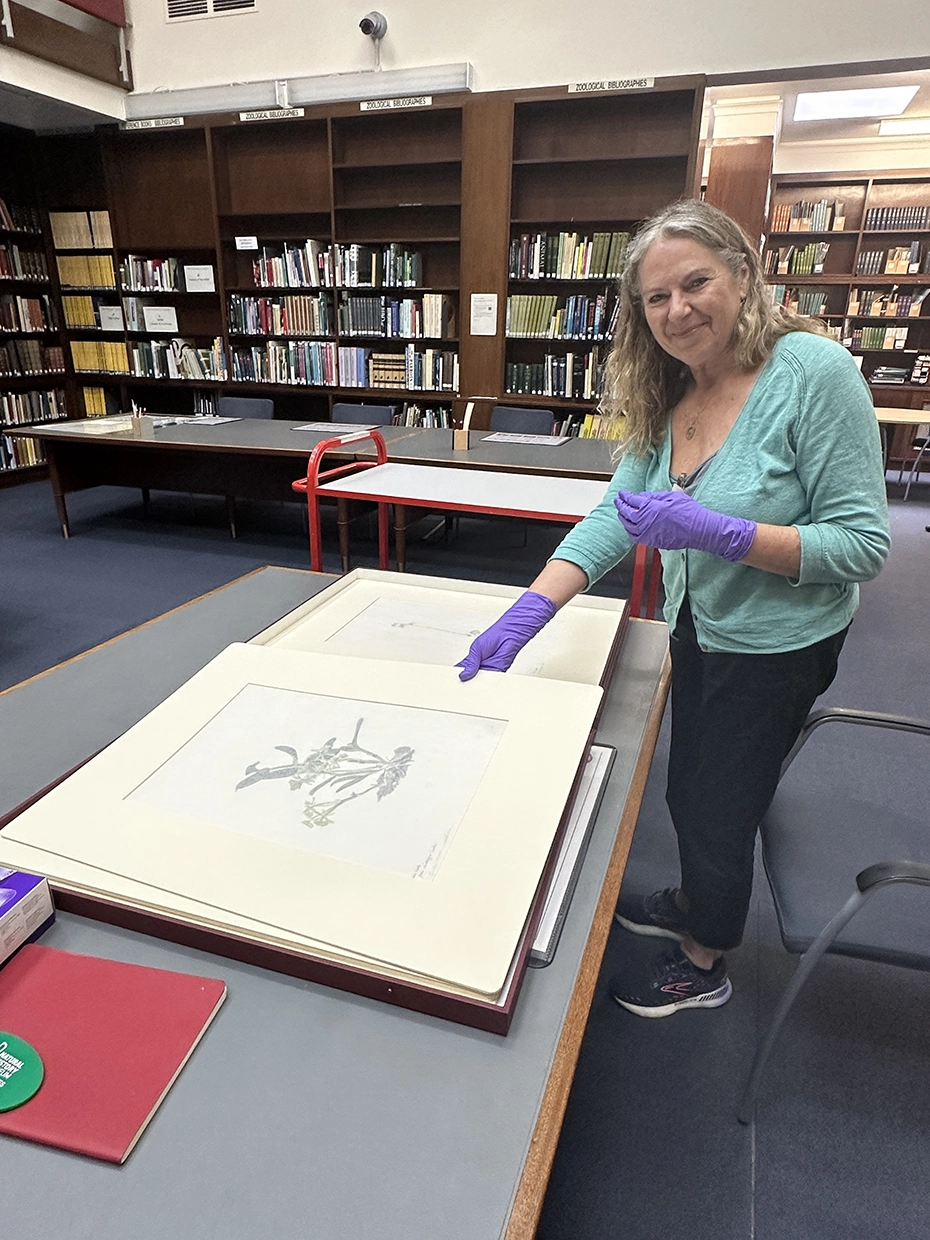
Fuscoe added: “I started looking and discovered there were paintings at the Natural History Museum that were attributed to Miss E Cooke, and I thought, ‘That’s probably Jane Loddiges.’
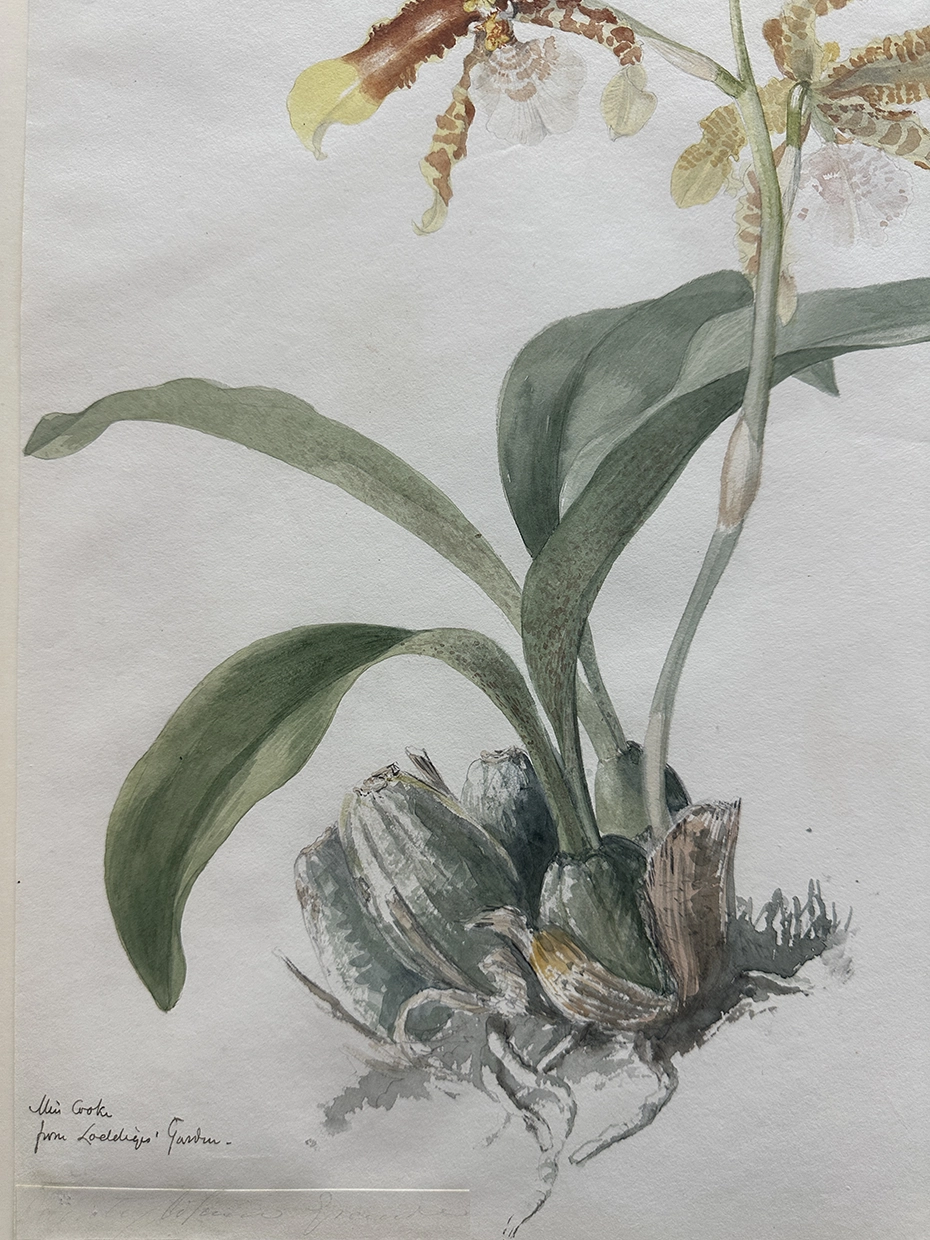
“I think many of those paintings [are from] the magazine that the Loddiges used to print.”
Another revelation about the family’s history was made by Tricia O’Connell nearly 20 years ago.
During her studies at the Byam Shaw School of Art, Ms O'Connell discovered her mother - née Cooke - was Jane and Edward’s great-great-granddaughter.
Ms O’Connell wrote about her heritage for the Hackney Society’s magazine in 2006, but they "didn’t have any way of contacting her" after the piece was published, according to Fuscoe.
It is hoped that by republishing the book, the society will preserve the Loddiges' history, something Fuscoe says is already disappearing in Hackney - save for the road named after them.
Researchers still believe there are more family secrets left to uncover. “One of the people working on this project believes Jane Loddiges kept some diaries,” Fuscoe added.
“We haven’t actually discovered where they are yet. We’re just trying to discover more about the women.
“The idea with the book is to link Hackney with its horticultural past, but also to give a shout-out to some of the women who were involved.”
Find out more on these topics


![Park Theatre's 'Whodunnit [Unrehearsed]' is back with major celebrity line-up](https://storage.ghost.io/c/2a/07/2a07eb22-1369-407c-a24f-c1b44595c346/content/images/size/w960/format/webp/2026/10/Ian-McKellen-1.webp)
