

The roof was leaking when Newton Dunbar realised the tiles had gone; when he realised his building would soon be gone, too.
By then, he was living in a makeshift flat above the Four Aces, the club he had run for 30 years at 12 Dalston Lane. Below him, people had danced to reggae, soul and soundsystem music; later, they would come for acid house, hardcore and jungle. Above them, Newton worked and slept.
His daughter Natalie remembers the flat. Her father had wooden panelling installed, then called her and her brother up to see the finished room. He was a serious man, she says, with something of a headmaster about him. He was rarely home. When he was, he was usually asleep, catching up on the hours he had spent at the club.
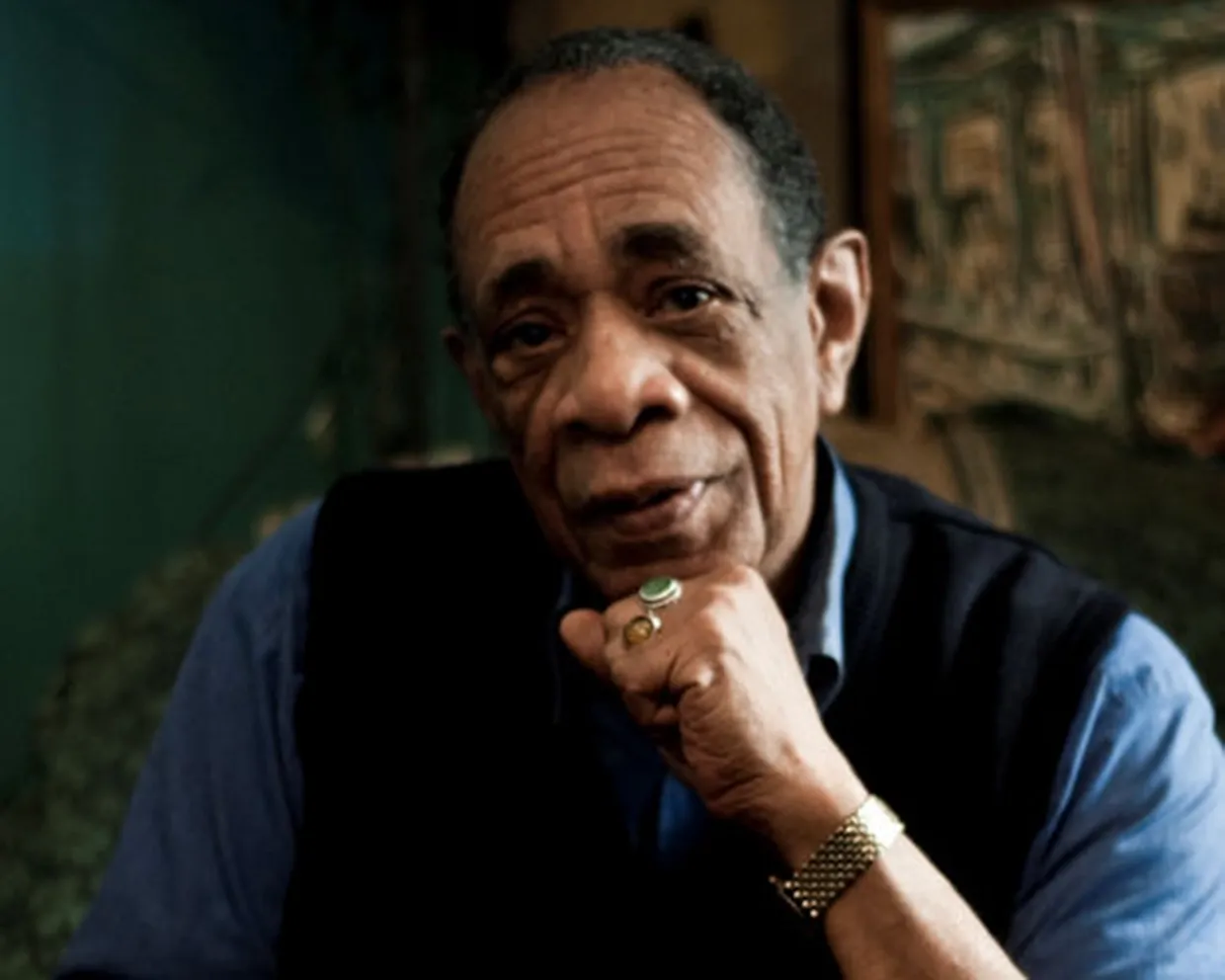
Newton had been an electrician. In the early days, he continued working during the week and ran the Four Aces on Fridays, Saturdays and Sundays, labouring over the building in between. Natalie remembers her father working with Saxon Sound, the pioneering British reggae and dancehall sound system. He was adaptable, ambitious, generous, and, as people keep reminding me, in it for the money, too.
He was interested in what made a room work. Sound, he told Hackney Museum in 2010, bounced off walls. A club had to withstand “heavy duty frequencies”. The building itself, he said, was inanimate until he had the privilege of making it live.
The idea for the club came from the blues parties Newton had attended: gatherings held in people’s houses, where a sound system would be carried in, and guests paid a little to get through the door. People worked long weeks, taking as much overtime as they could, and needed somewhere to let off steam. Newton began to wonder whether there might be a business in providing it.
“Lots and lots of money,” he recalled to Hackney Museum. He entered the club business, he said, innocently.
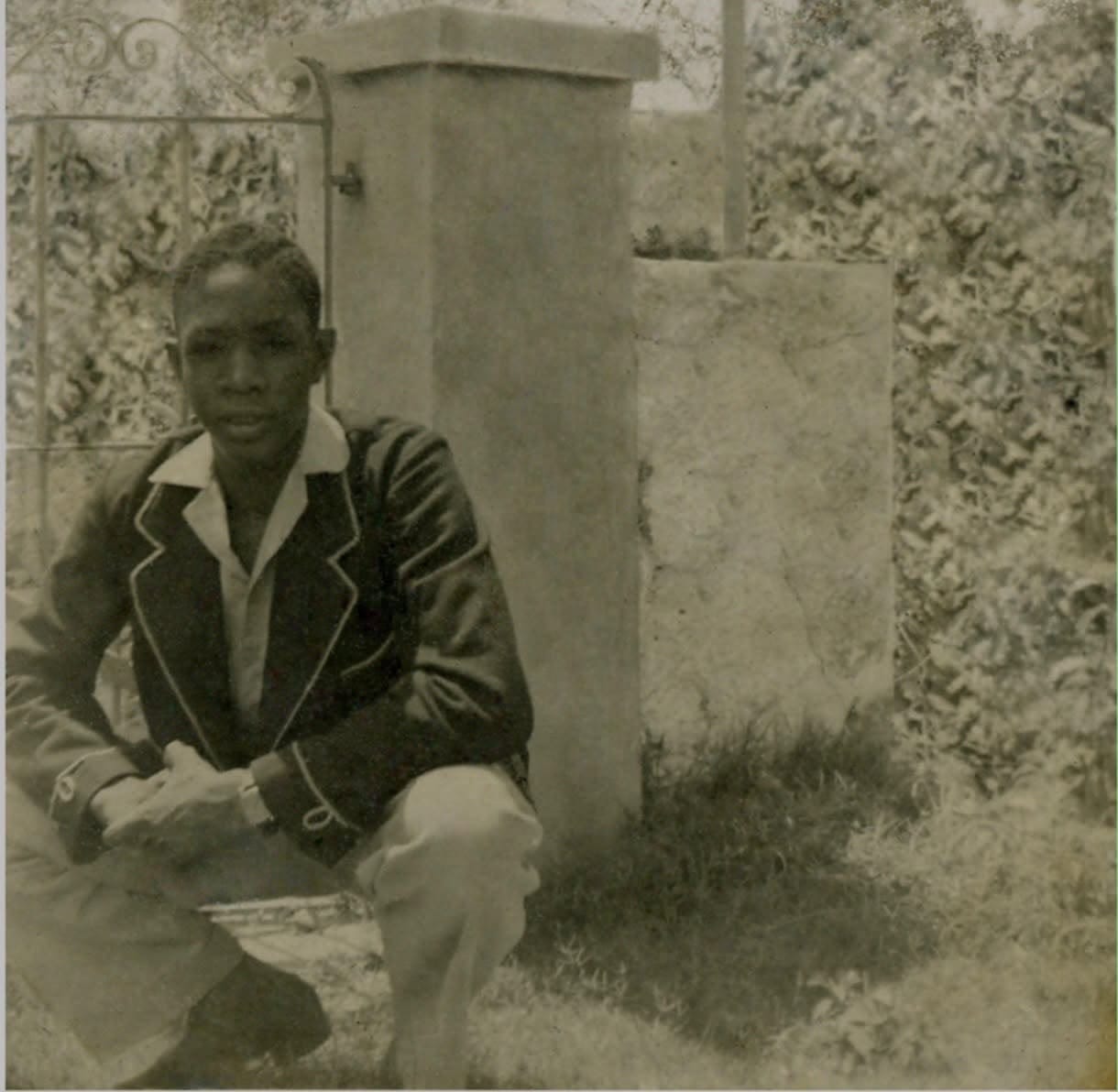
Winstan Whitter had known the Four Aces since childhood. His father managed a basement space where he worked as a caterer and DJ. He prepared Jamaican food at home, then brought it to Dalston Lane in enormous pots in the boot of his car: curried goat, fried chicken, a little jerk, and patties from a bakery. Whitter was about nine years old. He remembers the club as dimly lit, smoky, intimate and loud. Sometimes he was still there at one in the morning, running around while the adults carried on around him. Food was as much a part of the night as music and drink.
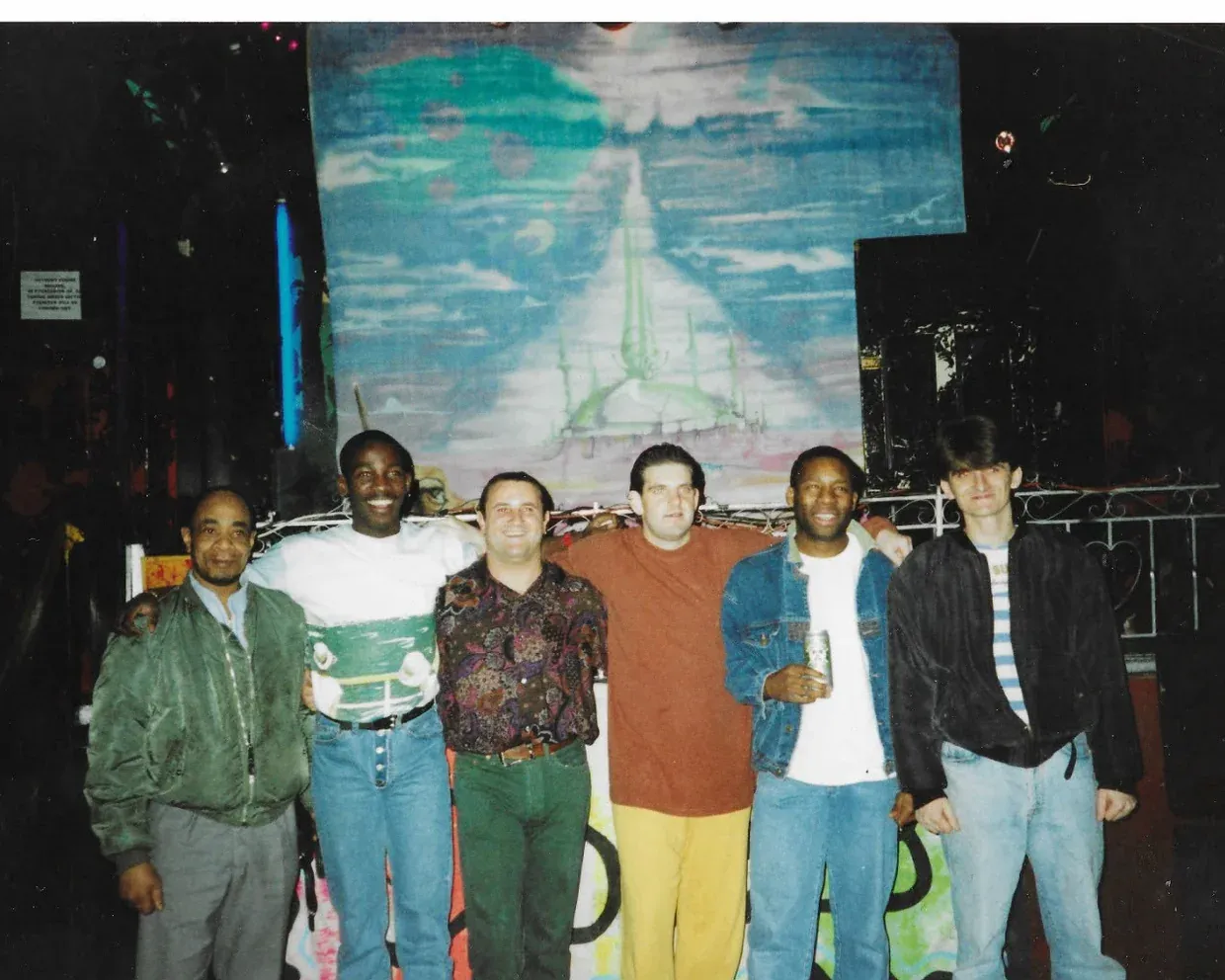
Newton was usually upstairs, in an office Whitter remembers as almost another club: a place to sit, talk, make friends and watch the CCTV screens. Newton would come downstairs to see what was happening, then return to his hideaway. Whitter called him Mr Newton. He had known him for so long that the club was not simply a venue he remembered; it was part of the world he had grown up in.
“Newton is the connection,” he told Louder Than War in 2016. “He is the living archive.” For Whitter, Newton and the Four Aces’ story was about what happened when the places that made those scenes possible were erased. “You knock down the building and the story goes,” he said.
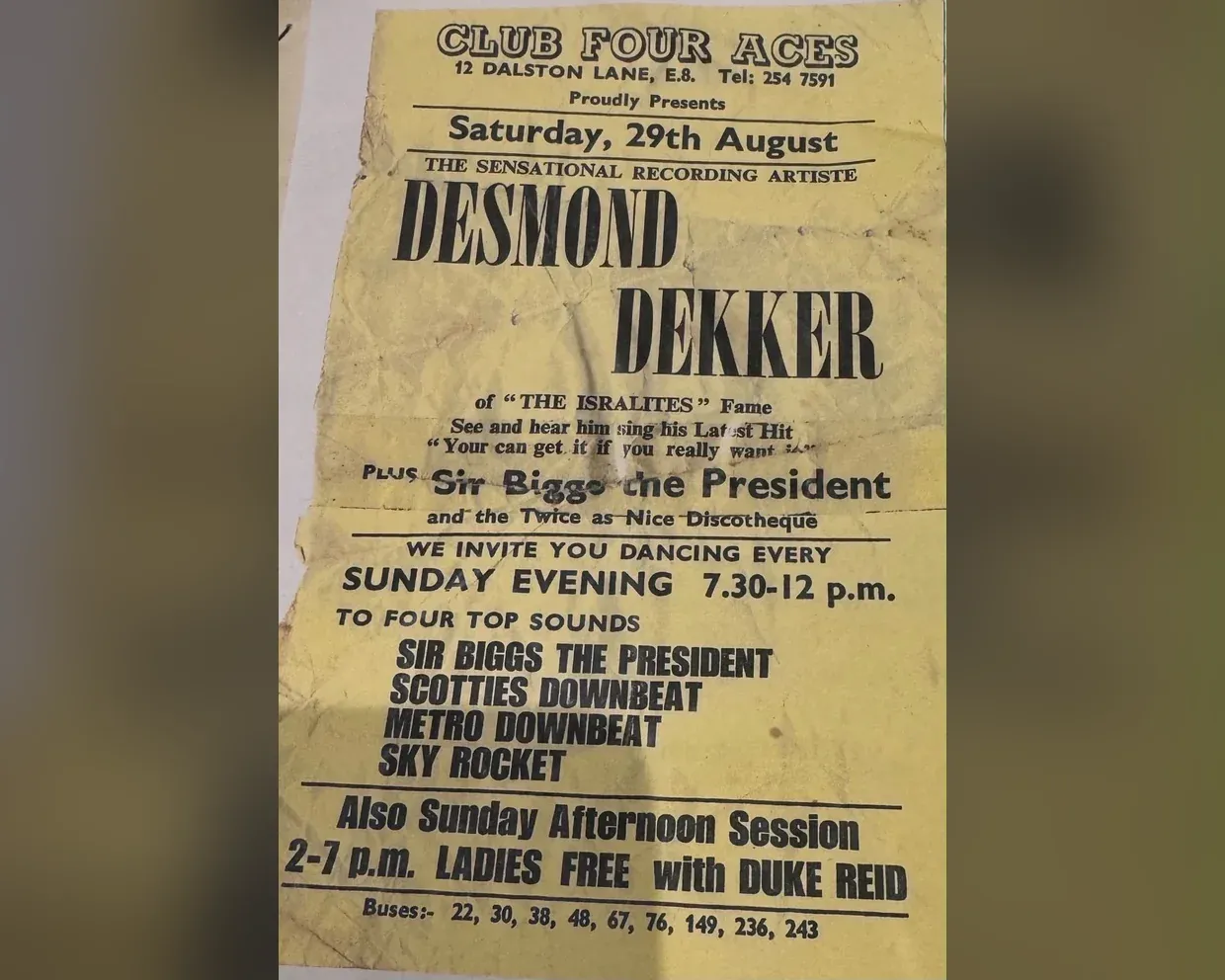
At the time, there were few places where Black music could be heard. Newton remembered a period when British radio stations would not play it, and venues catering to what was considered respectable music would not book the bands. The Four Aces became a place for Black entertainment in Dalston, drawing sound systems from across London and, eventually, live performers from Jamaica and America.
Desmond Dekker, Jimmy Cliff, Ann Peebles and Ben E. King all played there. Bob Marley came to hang out, though he never performed. Bob Dylan visited with bodyguards. Chrissie Hynde would sit at the bar. Alton Ellis, who came regularly, once spotted Newton in the audience at the Jazz Café in Camden. He jumped off the stage to shake his hand, then returned to his performance.
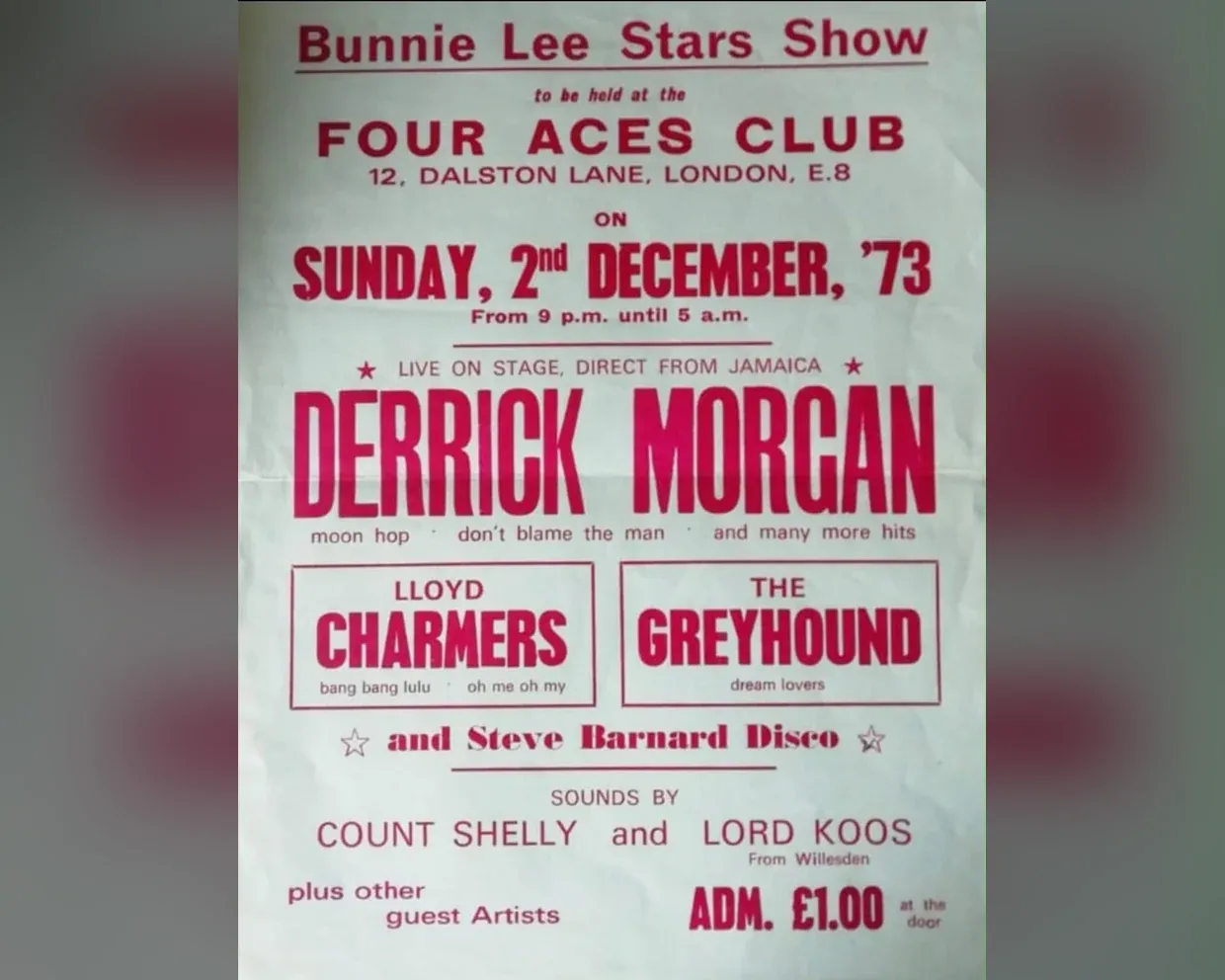
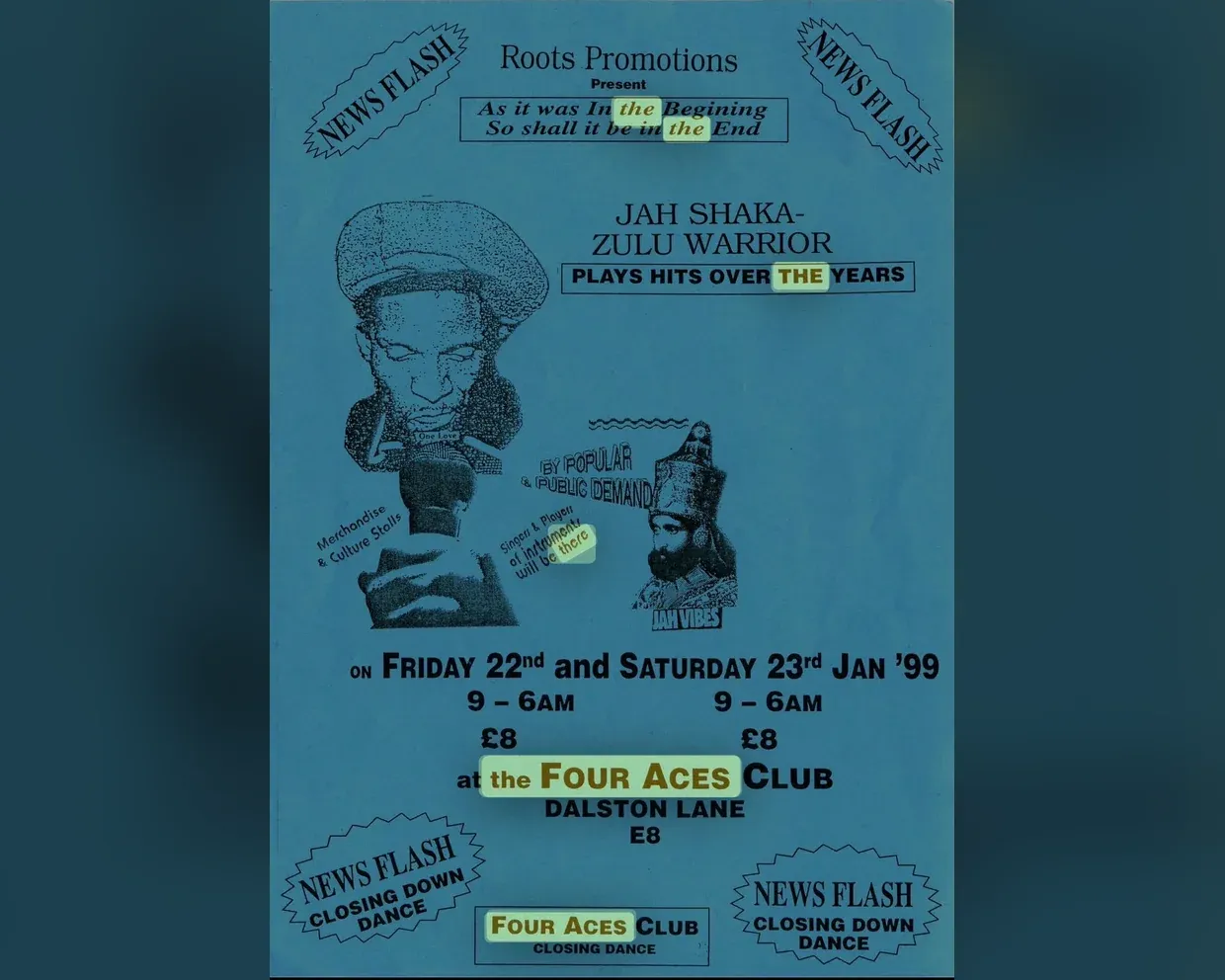
The club had a reputation beyond Dalston. Timothy Wade, who was serving in the army in Edinburgh, would spend his weekends travelling south for Labrynth, the club’s later rave nights. The journey took around three and a half hours each way. He would spend Friday night at the Four Aces, find a bed and breakfast for Saturday, then carry on to the Paradise Club in Islington and the Loft in Shepherd’s Bush. By Sunday afternoon, he would be heading north again. Sometimes he fell asleep on the last train and ended up stranded, having to phone his army camp to explain that he would catch the first train back. Extra guard duty awaited him that week.
Asked what made it worth the journey, he had a simple answer. The music was “way ahead of everywhere else”.
Raids and courtrooms
The police were a regular presence, too. Newton said the Four Aces was raided about three times a month. When officers came in, people ran. The business suffered. People were reluctant to return. He saw the raids as a way of taking advantage of the fact that the club was Black and had a predominantly Black crowd.
In 1988, 60 armed officers forced their way into the club with sledgehammers. Fourteen people were arrested and seven charged, including Newton. The raid became known as the “Daily Mail raid”, as the newspaper’s reporters and cameras flanked the cops. Police alleged that the club was linked to a group they called the Yardies, and to local drug dealing.
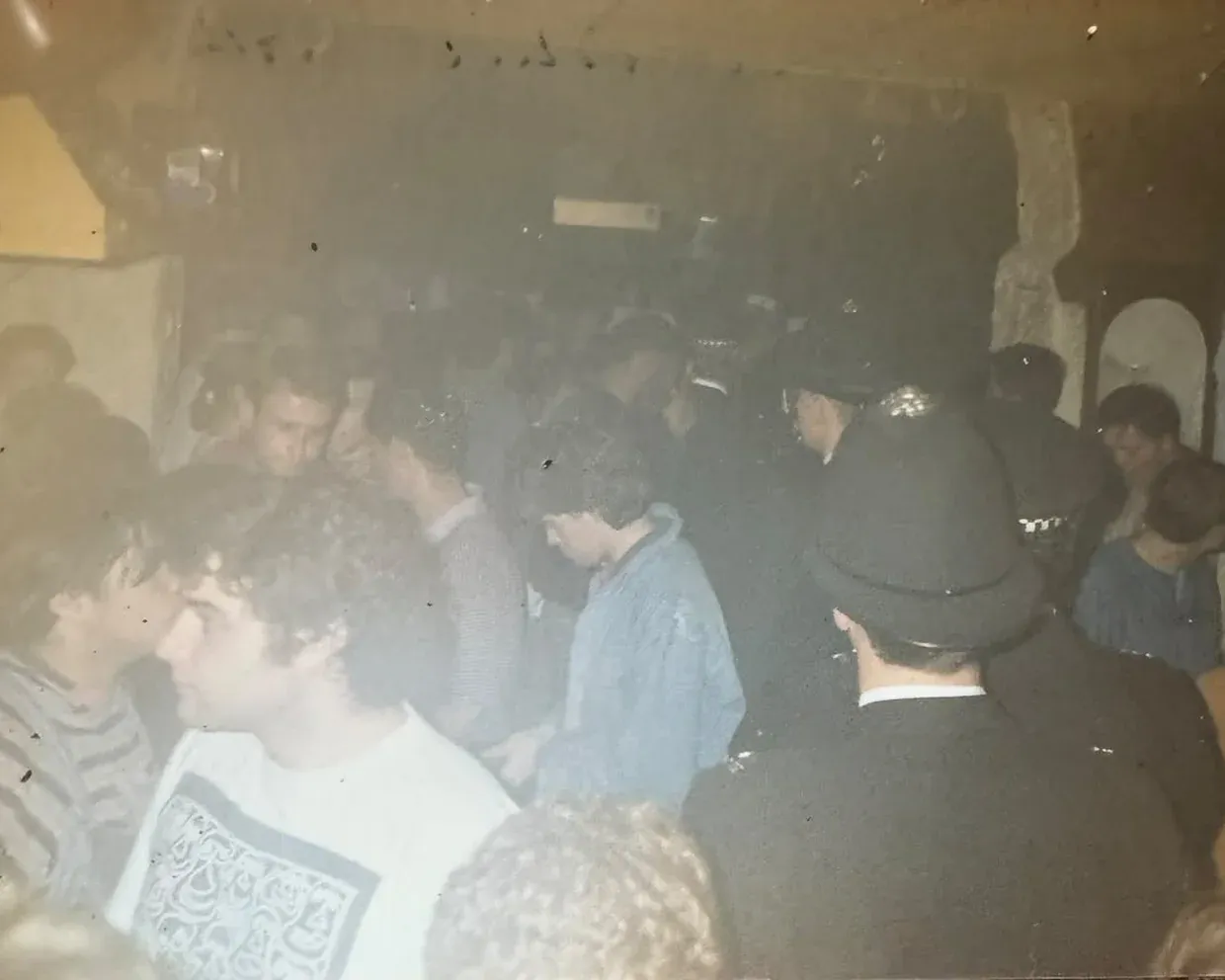
Natalie saw her father being tried alongside the other men at Snaresbrook Crown Court. She recalls the judge turning to the prosecution and saying: “You’ve put this man in with these other men.” This wasn’t uncommon. Newton was taken to court 14 times by the council and the police, but was never convicted.
Natalie remembers the raid taking place on a regular basis. One arrest has stayed with her. Around 1988, police zip-tied her father’s wrists so tightly that the plastic cut into his skin, she recalls. They then took him from his upstairs hideaway and kicked him down the ladder steps. He spent the night in the cold, wearing only a shell suit. When Natalie saw him the following day, his face was black and blue and his hands badly swollen. He later developed a chest infection.
She describes this as a wake-up call, a “change of course for the club”.
Enter Labrynth
By the late eighties, Newton was exhausted by the raids. Joe Wieczorek was facing a different problem. He had been organising illegal warehouse parties under the name Labrynth, but finding somewhere to hold them was becoming increasingly difficult.
The first connection came through a pair of parties near Shacklewell Lane in December 1989. Both were raided, Joe remembers. On the second night, when it was shut down, Joe sent people to the Four Aces, where a night called ‘Tears’ was struggling to attract a crowd. The exchange worked for both clubs.
In January 1990, Newton offered Joe the venue. Wieczorek and his partner would have to run the whole operation themselves, from security and staffing to the bar. Newton would retain one bar in the main room - the rest of the building was Joe’s to run.
“There’s the keys, get on with it,” Joe remembers him saying.
Nothing was signed. For the next eight years, the arrangement ran on a verbal agreement. At the end of each night, Joe would tell Newton how much the club had taken and what it had spent. They would divide what was left, and see each other the following week. Joe had the keys seven days a week.
“He was an incredibly trusting man,” Joe says. “He wasn’t stupid.”
Newton secured a late licence, first until 5am, then 6am. The later finish changed the crowds, Joe remembers: from a few hundred people to full houses. The club was painted black. Joe and his team changed the decor and took over more of the building, including the former theatre auditorium, which they used as a chill-out space.
Newton had ideas of his own. One day, he took Joe through a door near the basement and showed him a garden he had never noticed. There were trees, but little else. They put out lights, chairs and tables, and called it the hidden garden. It could accommodate another two or three hundred people.
The crowd that stayed
The music changed, too. Newton recalled that the last sound system to play at the club was Fatman Hi-Fi, whose sons ran the set. After a police raid, they did not want to return. The following week, the Four Aces opened its doors to an acid-house crowd. Newton estimated that almost all of the guests were white.
The police came back. This time, the dancers did not run. They kept dancing while officers moved through the club with video cameras and bright lights, searching for the DJ booth. It took them about 15 minutes to find it, Joe remembers. By then, the crowd had made its point. The police eventually left.
For Joe, the difference was striking: the club had spent years being raided while its predominantly Black crowd ran for the exits. Now, with a largely white crowd on the dance floor, the response was different. The dancers had stayed put. All charges were dropped.
Newton remembered this night as “providence”.
The building had once been a circus. It was a maze of rooms and passages, with escape hatches leading out of Newton’s hideaway. It seemed that when the police came, Newton would be the only one to disappear.
The following week, he said, the club was busier still. He described the next nine years as a period of continuous progression.
Newton did not immediately understand rave, Joe says, but he caught on quickly. He watched the new crowd arrive and helped the club adapt. He also gave emerging acts a chance. The Prodigy’s first performance as a four-piece came about almost by accident. Joe was downstairs when their manager, Ziggy, and Keith approached him. There were four members of the band and four dancers, they explained. Joe offered them an £80 fee.
He remembers Maxim joining them on stage that night for the first time. The queue stretched around the block and into Kingsland Road.
Newton remained in the building, sitting among people and chatting away in his hideaway, while the rooms below filled with a different generation of dancers. Joe calls him a mentor of immense quality. They became friends, he says, and stayed on good terms throughout their eight years at the club.
Squeezed out
By the end, Joe says, Labrynth had expanded beyond the Four Aces itself, taking in the neighbouring club and the former theatre auditorium, which they used as a chill-out space. One night, he recalls, they had 3,000 people across the buildings, despite the licence being for just 150.
“We weren’t angels ourselves,” he says.
Then the building began to come apart.
Joe and his team left the Four Aces on New Year’s Eve 1997, moving to the Pleasure Rooms in Tottenham. Joe describes the departure as the culmination of years of pressure.
In September 1994, Wieczorek and his partner were arrested by Customs and Excise over alleged VAT evasion of £1.25 million. The case went through two mistrials before reaching Snaresbrook Crown Court in March 1997. Joe says they continued running Labrynth throughout, with prison a possibility. They were eventually acquitted.
The relief was short-lived. Joe says the compulsory purchase process followed soon afterwards. He and Newton attended a public inquiry, but Joe came away convinced the outcome had already been decided. Someone involved with the council, who regularly attended Labrynth, showed him a document naming three proposed towers: Labyrinth Tower, Collins Tower and Dunbar Tower.
“They’re not going to let up here,” Joe remembers thinking.
The council was still talking about a cinema for the site, but Joe had come to believe the club would be removed regardless. The compulsory purchase process convinced him that staying was no longer viable.
The missing roof
Following Labrynth's departure, the building stood empty. Newton was still living in his hideaway above the club. The redevelopment, including the proposed cinema, did not materialise. Meanwhile, the roof tiles disappeared.
According to Joe, a deal was struck with the council by the operators of “Roseberrys” – what they were calling the club located at the back of the building at the time – which resulted in a roofing company being instructed to strip the tiles. He believed these tiles were likely sold off, and that the roof was intentionally targeted to render the entire building unusable. Joe said he knew the individual who carried out the removal, and that there was a photograph of it taking place.
With the roof exposed, rain began to damage the interior. In a 2005 submission to Hackney Council, the campaign group OPEN Dalston argued that the resulting deterioration was the consequence of neglect, not simply the building’s age.
That year, OPEN Dalston commissioned a structural appraisal from the Morton Partnership. Its author, Brian Morton, concluded that the former theatre could be repaired and reused. The neighbouring buildings at 4–10 Dalston Lane could also be retained “without enormous expense being incurred”, he wrote.
Morton went further, arguing that the buildings’ condition had been brought about by what he called “deliberate neglect” on the part of their owners, Hackney Council. He said: “There are, of course, significant question marks about why the owners have allowed the building to deteriorate.”
The council offered a different account. Its consultation report cited a fire, concerns about structural integrity and unauthorised occupation, and concluded that demolition was the most appropriate option. The buildings were not statutorily listed, and English Heritage had recommended against listing them.
“We had it all”
By then, Winstan Whitter had begun documenting what was at stake. While making Legacy in the Dust, his 2008 documentary about the club, he became involved in the campaign to save the former Dalston Theatre. Much of his work, he told the Hackney Citizen in 2011, grew from “my quest to learn more about where I live”.
The film led to another, Save Our Heritage, documenting the attempt to preserve the buildings. Working with the architectural practice Bootstraps, campaigners developed an alternative scheme for the site: housing and community space, with the Four Aces retained. Whitter says they found an investor prepared to put £3 million into the proposal.
“We had it all,” he remembers. “And that should have happened.”
The drawings show what might have been: the theatre frontage restored, the neighbouring Georgian buildings repaired, trees planted alongside a widened pavement. Housing sits alongside the old buildings rather than in their place.
The scheme did not go ahead. In 2007, the buildings were demolished.
The New Four Aces
“When The Four Aces was taken away I was left in a void with nothing to do,” Newton told the Hackney Citizen in 2014.
He had kept the original Four Aces sign. After the demolition, he took it to DJ sets, carrying a piece of the club with him. More than 300 people turned up to his first gig, in 2007 at Eastern Curve Garden. The applause took him by surprise.
“The New Four Aces is wherever I play,” he said.
He carried on DJing into old age, joking that it kept him from “looking for the carpet slippers and for my brain to wither”. He also spoke about Dalston’s transformation around the 2012 Olympics, describing its new appearance as a “face-lift”. Sometimes, he said, when you tidy a place up, you throw away valuable antiques and icons. The new face would one day become ancient, too.
A name on a tower
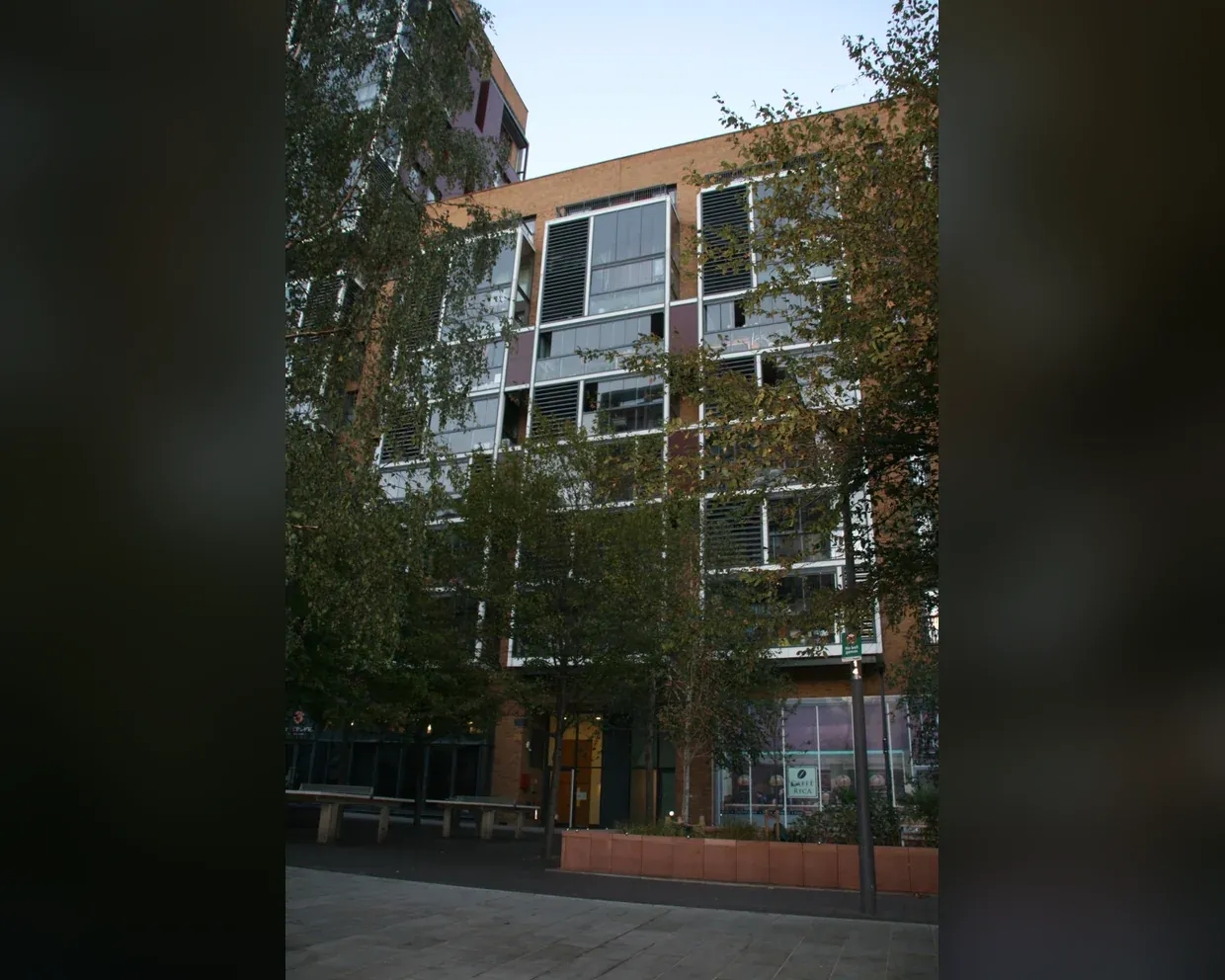
One of the towers is named after him: Dunbar Tower.
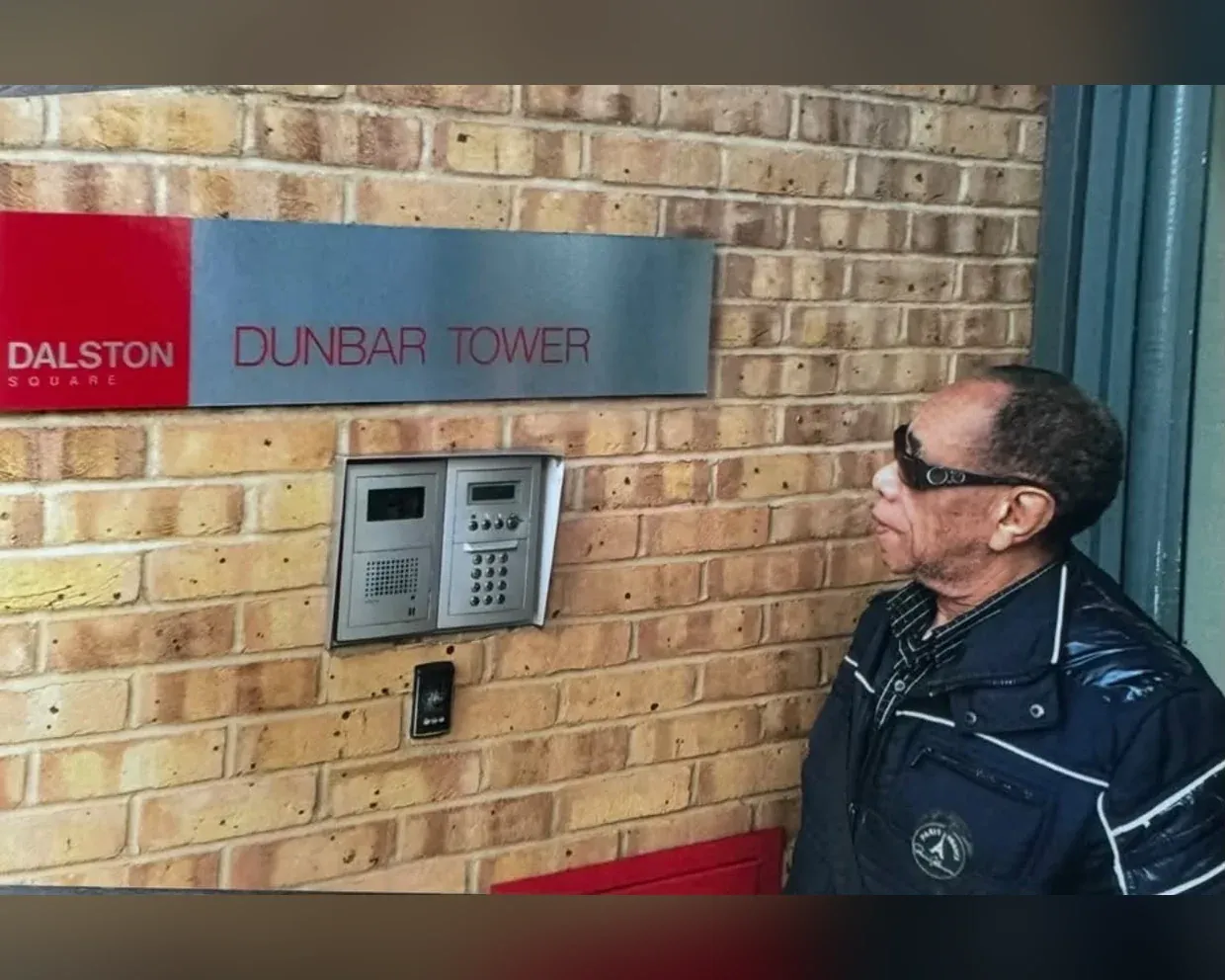
He wasn’t told, or consulted. In a 2014 interview with VICE, he said he did not know whether the developers were taking the mickey or had some more sinister intention. It was certainly no compensation for the building, he said.
Whitter remembers going with Newton to an office where brochures for the development were laid out on a table. The tower bore Newton’s name. Whitter asked the staff who Dunbar was. They had no idea. Newton was standing right there.
Whitter believes the council failed to listen to the people trying to preserve the site, and argues that the housing which followed did not deliver what local residents had wanted – nor what he says had been promised. Local housing for local people.
The flats in Dunbar Tower sell for hundreds of thousands of pounds. Property data platform Bricks & Logic estimates that the average sale price in the building is £580,000 and the average monthly rent is £3,050. Its data lists 37 properties in the building, including 32 flats. In neighbouring Collins Tower, a two-bedroom, two-bathroom flat measuring 794 sq ft was advertised on Rightmove for £2,817 a month, with a 24/7 concierge service and a residents’ gym.
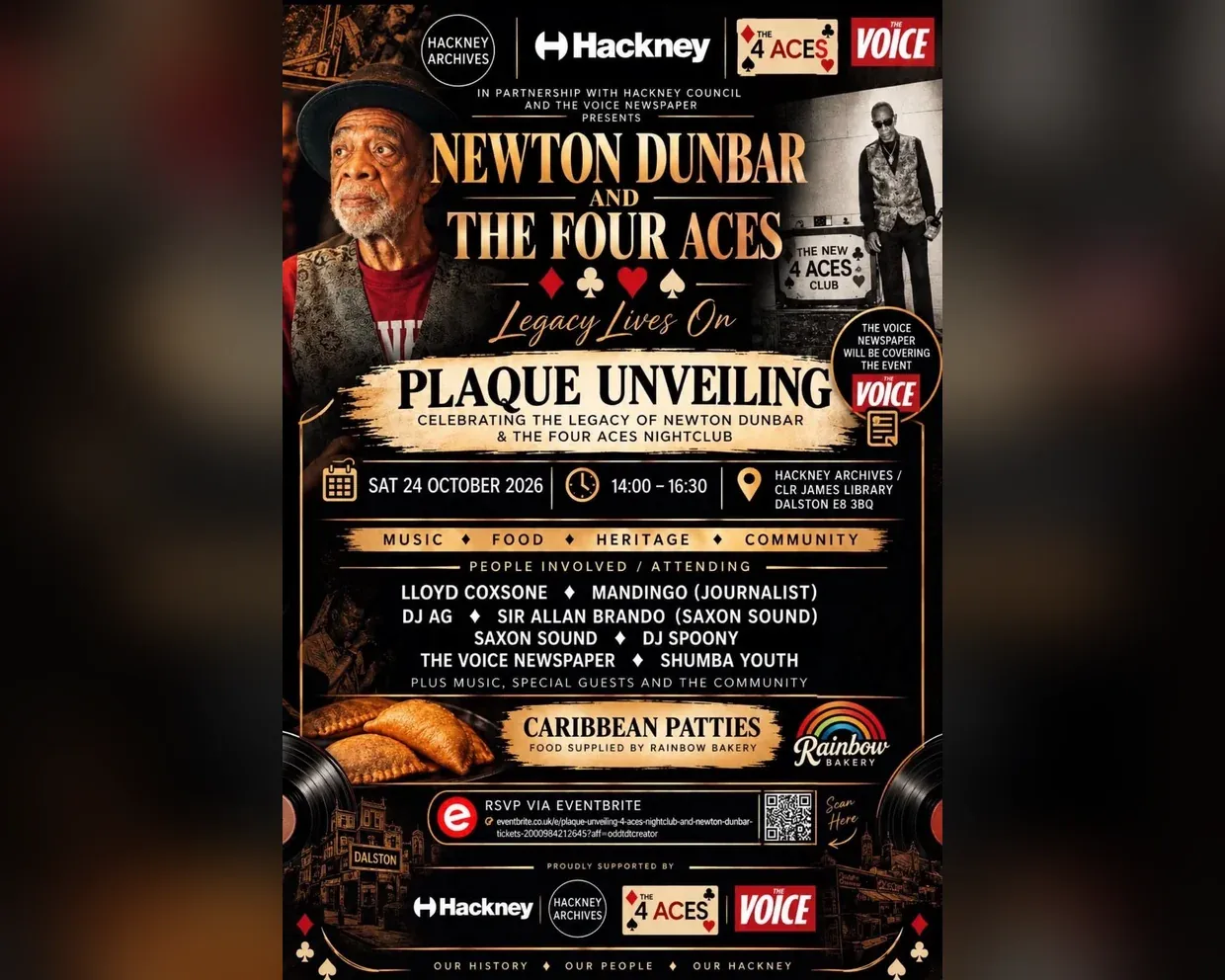
Newton’s daughter has spent years trying to get him properly remembered. A plaque commemorating him is due to be unveiled at Hackney Archives on Saturday, before being installed on Collins Tower the following week, facing the old site.
Wieczorek believes the memorial is the very least Newton deserves. The recognition is welcome, he says, but it comes after the “taking” of the place itself.
Whitter is glad that Newton is being commemorated. But he has spent years asking what might occupy the space beside the library, where the clubs once stood. He has suggested an exhibition space, and would still like to see a venue return.
The plaque is a start, he says, but there is more the council could do. He has watched the authorities memorialise the Four Aces after its disappearance, having opposed the campaign to save the building when it was still standing.
“It’s always the case,” he says, “they celebrate stuff when it’s gone.”

Natalie remembers how deeply her father was affected by the loss of the Four Aces. The club had occupied 30 years of his life; after it was demolished, he struggled to find his place without it. But the photographs she has kept tell another part of the story. In them, Newton stands beside the sign bearing his name, smiling. He had not been consulted about the tower, and he had made clear that its name was no compensation for the club. Still, he was quietly proud to have his name on something.
Newton once spoke of rising from the dust, like the Phoenix. He was talking about the possibility of another Four Aces. Now Natalie wants to try. She plans to begin with a night at a bar, then, if people come, make it a monthly event. If that works, she hopes to find a permanent home for the club. She wants to bring together the reggae, blues and soul her father loved with the rave music that carried the Four Aces into another generation.
For now, there is the sign he kept, the people who remember the rooms, and the records he continued to play. And there is his name, fixed to a building he never chose, overlooking the place where he made his life. Perhaps, one day, there will be another Four Aces, too.
Note: This article was updated at 11:43 on Friday 23 October with additional information.
Find out more on these topics


